How to Evaluate a Sliding Door Hardware Sample
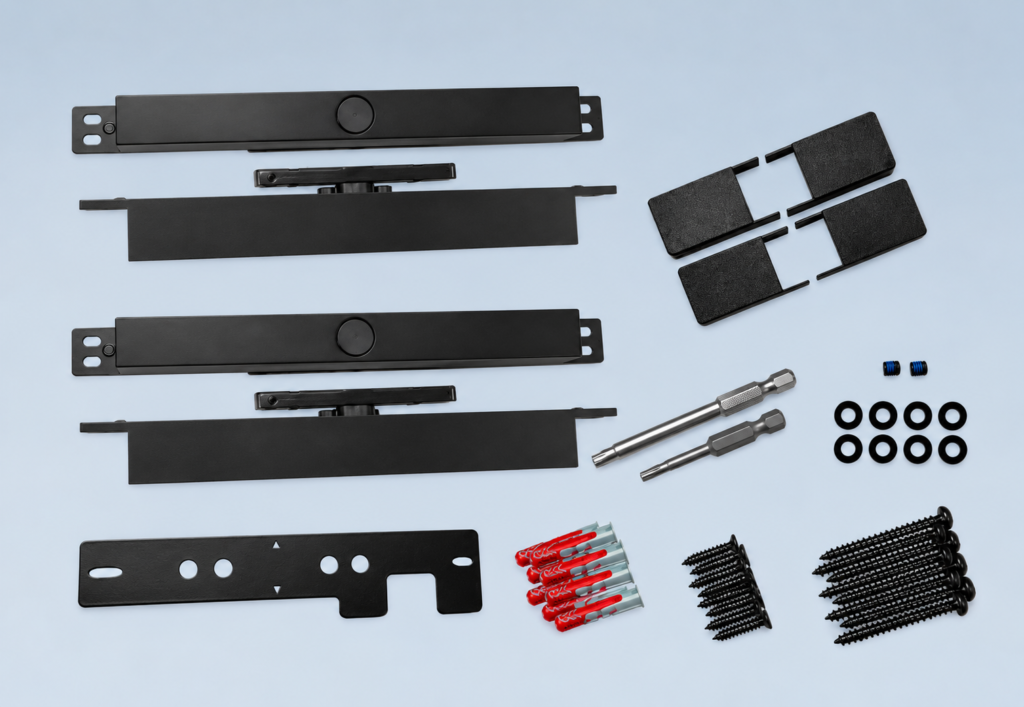
How to Evaluate a Sliding Door Hardware Sample A useful hardware sample demonstrates the proposed door configuration, not just a roller moving along a short loose track. The panel, supporting detail, guides and operating devices should represent the conditions that matter in the project. A sample review can identify fit and usability issues before production. […]
Indoor Sliding Door Hardware in Humid or Coastal Environments

Indoor Sliding Door Hardware in Humid or Coastal Environments A door installed indoors can still encounter humidity, condensation, salt carried through openings or cleaning chemicals. These conditions should be described when selecting the hardware, especially where an interior system is being considered close to an exposed boundary. “Stainless,” “coated” or “premium” is not a complete […]
Sliding Door Hardware Maintenance: A Sensible Routine

Sliding Door Hardware Maintenance: A Sensible Routine Sliding door maintenance should follow the selected product’s instructions and the conditions in which it operates. A clean indoor doorway and a heavily used installation may need different attention. There is no single lubricant or inspection interval that suits every system. A useful routine begins with observation and […]
Sliding Door Soft Close Not Working: What to Check

Sliding Door Soft Close Not Working: What to Check A soft-close fault can appear in several ways: the panel may never engage the mechanism, stop short, slam at one end or fail to reset. Describe which behaviour occurs before deciding that the damper needs replacement. The running condition of the door and the installation geometry […]
Sliding Door Rubbing or Dragging: A Location-Based Checklist

Sliding Door Rubbing or Dragging: A Location-Based Checklist When a sliding door becomes difficult to move, first locate where resistance appears. A panel dragging along the floor needs a different investigation from a panel catching at the pocket entrance or tightening only during its final closing movement. Avoid forcing the door through resistance. Repeated contact […]
Why Is My Sliding Door Noisy? Locate the Sound Before Adjusting

Why Is My Sliding Door Noisy? Locate the Sound Before Adjusting A sliding door can make noise for several reasons, and the sound’s location is often more useful than its volume. A repeated click, continuous scrape and impact at the end of travel point towards different parts of the installation. Observe the symptom before changing […]
Sliding Door Height Adjustment: A Practical Check Sequence

Sliding Door Height Adjustment: A Practical Check Sequence Height adjustment helps place a compatible door correctly within its opening. It is useful for aligning gaps and the panel position, but it cannot correct every problem caused by the track, floor or panel construction. Begin with the cause of the misalignment and use the selected system’s […]
Quick-Release Door Hardware: What It Means for Maintenance

Quick-Release Door Hardware: What It Means for Maintenance Quick release describes a connection that can be disengaged through a designed action. On sliding-door hardware, it may refer to a hanger, a damper or another component. It does not necessarily mean the complete door can be removed without tools, support or trim removal. The practical benefit […]
Bypass vs Telescopic Sliding Doors

Bypass vs Telescopic Sliding Doors Bypass doors move on parallel paths so one panel can pass in front of another. A telescopic arrangement uses a coordinated movement in which panels gather or extend in a defined sequence. Both can serve wide openings, but they should not be drawn or specified as the same mechanism. Start […]
Why Soft-Close Sliding Doors Have Minimum Width Requirements

Why Soft-Close Sliding Doors Have Minimum Width Requirements A sliding system can have a minimum panel width even when the track can be cut shorter. The panel and track need enough space for the specified hangers, damping devices, triggers and travel between their working positions. A cuttable rail does not remove those component requirements. The […]